When “Five-Star” Isn’t Five-Star
The Illusion of Five Stars
There’s something deeply reassuring about the idea of a “five-star” hotel. It promises refinement, immaculate service, and that delicious ease that comes when every detail has been thought through.
But as seasoned travellers, we’ve learned that those glittering stars don’t always tell the truth.
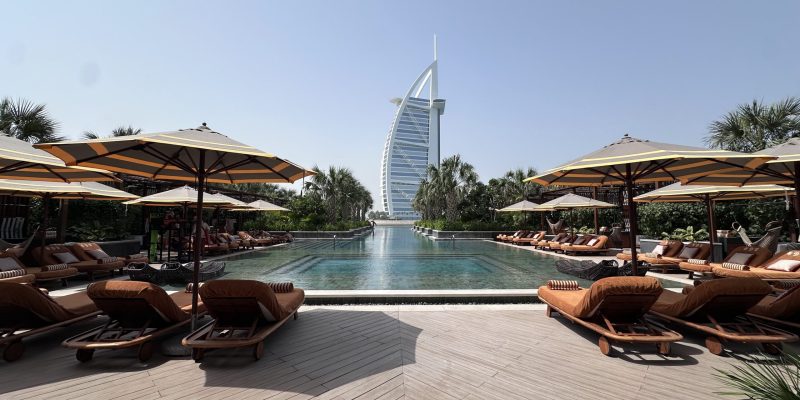
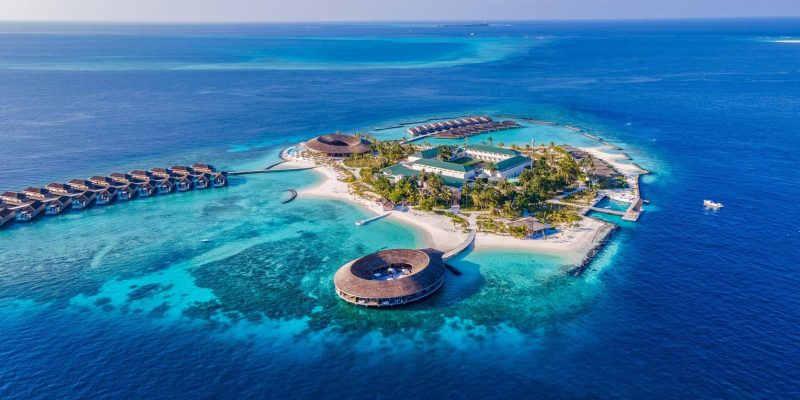
In the Middle East, the Maldives, Seychelles, and many other supposedly “ultra-luxury” destinations, the five-star label covers a startlingly wide spectrum of quality. Some properties truly deserve the acclaim — others, not so much. You can book what’s sold as a five-star resort and still find yourself in a space that feels, frankly, like a well-meaning four-star: service that’s sluggish, fittings that creak or crumble, and amenities that feel more supermarket than sanctuary.
When a wardrobe door hangs loose, a toilet seat wobbles, or the air conditioning sounds like a small tractor, you start to question: is this really what “five-star” means?
“True five-star service doesn’t leave you wondering whether you’re asking too much.”
Even the smallest details tell a story. Take the humble toothbrush — a flimsy piece that collapses at first touch versus a thoughtfully presented kit with a quality brush, premium toothpaste, and floss. True luxury is not about grandeur; it’s about grace.

The Myth of the Star System
Hotel star ratings were never meant to be universal. They vary wildly between countries — some systems are government-regulated, others are self-declared. A five-star in London doesn’t equate to a five-star in the Maldives, and certainly not in Dubai or the Seychelles.
As The Guardian once noted, even in the UK, consistency only arrived as late as 2007 when VisitBritain and the AA finally aligned standards. Elsewhere, the classifications are looser — sometimes even handed out by tourism boards that prize marketing over merit.
That’s why “five-star” today has become a branding exercise, not a benchmark. It tells you how a property wants to be seen, not how it behaves when you’re there.
Can You Trust Reviews Then?
Surely, if you can’t rely on glossy websites or official ratings, TripAdvisor must be the answer? Well — not quite.
According to a Which? Travel investigation, about one in seven highly rated hotel reviews showed signs of being fake or manipulated. And The Guardian later reported that Google removed or blocked 115 million fake reviews in 2022 alone.
But the problem isn’t only fake reviews — it’s perception. TripAdvisor is a melting pot of experiences and expectations. The same hotel can earn raves from one guest and eye-rolls from another, and both can be right — they’re simply viewing through different lenses.
Someone travelling abroad for the first time might see a cracked bathroom tile as “charming character.” But for guests who’ve stayed at the Four Seasons, One&Only, or Aman, where perfection is the quiet baseline, that same broken tile feels like neglect — a small but telling lapse in care.
That’s why we read reviews differently. We look for the faults. Hidden among the criticisms are clues that matter most: how quickly a team reacts, how a manager handles feedback, whether a “sorry” comes with a solution. Reviews aren’t gospel; they’re guideposts.
What True Luxury Actually Feels Like
“True luxury doesn’t shout, it whispers.”
True luxury reveals itself in the silence between requests — when needs are met before they’re spoken. It’s not about chandeliers or marble bathrooms, but the rhythm of care that runs invisibly beneath your stay.
It begins in the room. A space that’s faultless and serene, serviced with the precision of a ritual. The scent is subtle — perhaps neroli or lemongrass — the sheets crisp, the lighting gentle. Housekeeping glides in as if choreographed, never interrupting your moment but ensuring it’s always ready for the next.
Amenities are not scattered but curated: terry-lined slippers that feel like clouds, elegant beach bags awaiting the day’s adventure, flip-flops wrapped neatly in linen, and toiletries that linger on the skin long after you’ve left the bathroom. A handwritten note or freshly cut flower tells you that someone, somewhere, noticed you.
“Luxury isn’t the room you stay in — it’s how a team makes you feel seen without you having to announce your needs.”
At breakfast, luxury becomes abundance without clutter. Instead of a sticky jug of honey, you find tasting jars — acacia, wild thyme, manuka — each labelled, each deliberate. Fresh-pressed juices sparkle in glass carafes, baristas remember your coffee from yesterday, and a chef appears tableside with a quiet smile and something new to try.
By the pool, service turns instinctive. A towel appears before you ask. A fruit skewer arrives when the sun peaks. Staff crouch to children’s eye level when offering them ice lollies, knowing names as if they were family. You’re never interrupted, yet you’re never unattended.
This is the soul of service — anticipation without intrusion.
True luxury, at its heart, is emotional intelligence expressed through hospitality. It’s that near-invisible choreography where timing, tone, and touch align — and you leave not just pampered, but profoundly cared for.
Why This Matters
A holiday is far more than a break from routine — it’s the stage where life’s most vivid memories are made. The scent of sea air as you wake, the softness of a robe that feels like a cloud, the ease of a team who know your preferences before you voice them — these are not trivial details. They’re the threads that quietly weave lasting impressions, the difference between simply staying somewhere and feeling transformed by it.
When you travel often, as we do — as a family who has wandered through the world’s most celebrated resorts — you begin to notice a pattern: true luxury doesn’t shout, it whispers. It’s not marble floors or chandeliers; it’s seamless service that makes you forget you ever needed to ask.
For us, luxury has become an education in what care, creativity, and comfort can achieve when they align. It’s the feeling of returning home not only rested but elevated — inspired to reimagine what hospitality can mean.
Because once you’ve experienced the real thing, the polished imitations no longer satisfy. Once you’ve seen how travel can ignite connection, calm, and curiosity — for you, for your children, for the way you see the world — you’ll never want to go back to ordinary.
Our Promise
At The Pleasure Seekers, we share first-hand experiences from the places we’ve stayed — not through sponsored gloss but honest reflection. We travel as a family, we dine vegetarian, and we seek the kind of luxury that feels personal, not performative.
Our goal is simple: to help you discover stays that aren’t just rated five-star, but feel five-star — experiences that linger long after checkout, and redefine what true pleasure in travel can mean.
- “The difference between five stars and feeling five stars lies in the service.”
- “At its best, luxury is not what you see — it’s how you’re made to feel.”